 queknow.uk@gmail.com
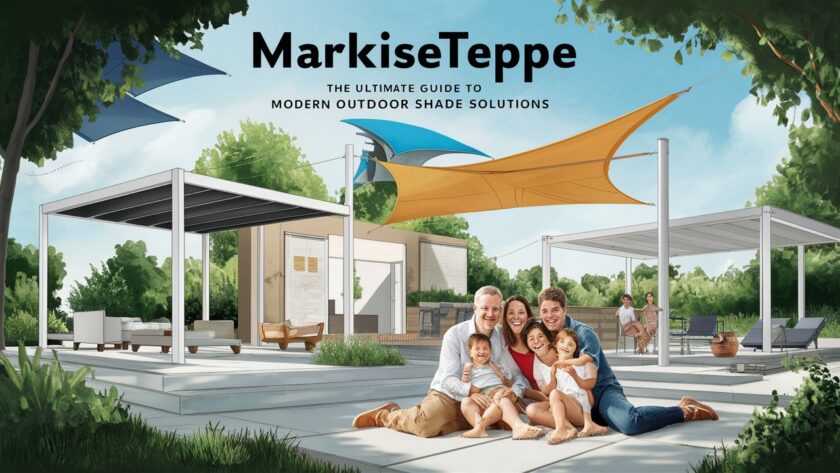
 Outdoor living spaces have become an essential part of modern homes and commercial properties, offering comfort, relaxation, and aesthetic appeal. However, exposure to direct sunlight and unpredictable weather can limit the usability of these spaces. This is where markiseteppe, or awning canopies, come into play. Markiseteppe provides an elegant and functional solution for creating shaded areas that protect against harsh sunlight, rain, and UV rays while enhancing the overall look of patios, balconies, and storefronts. This comprehensive guide explores everything about markiseteppe — from its types and materials to installation, maintenance, and benefits — to help homeowners and businesses make informed decisions when choosing the perfect outdoor shading system.
What is Markiseteppe?
Markiseteppe, commonly known as awning fabric or canopy covering, is a durable and weather-resistant material used to create shade structures for outdoor areas. It is typically made from high-quality fabrics such as acrylic, polyester, or PVC-coated textiles that can withstand various weather conditions. The primary purpose of markiseteppe is to provide protection from sunlight and rain while maintaining airflow and visibility. These coverings are widely used in residential patios, garden areas, restaurants, cafes, and commercial buildings to create comfortable outdoor environments.
Types of Markiseteppe
There are several types of markiseteppe available, each designed to suit different needs and architectural styles.
- Retractable Markiseteppe: This type allows users to extend or retract the canopy as needed. It is ideal for patios and balconies where flexibility is essential. Retractable systems can be manual or motorized, offering convenience and control over sunlight exposure.
- Fixed Markiseteppe: Fixed awnings are permanently installed and provide continuous protection. They are commonly used in commercial spaces such as shopfronts and cafes.
- Vertical Markiseteppe: Also known as drop awnings, these are installed vertically to block sunlight from the sides, making them perfect for windows and glass facades.
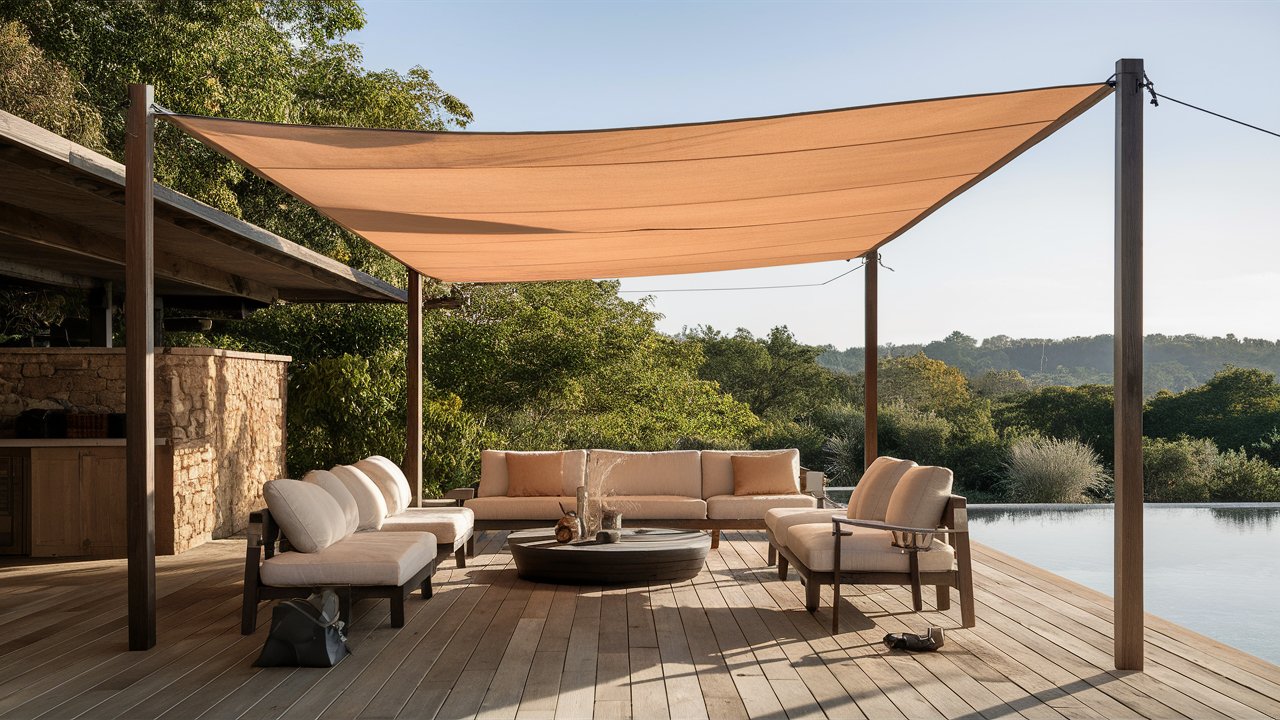
- Pergola Markiseteppe: Designed for larger outdoor areas, pergola-style awnings combine structural frames with fabric coverings to create luxurious shaded spaces.
Each type of serves a unique purpose, and the choice depends on factors such as location, climate, and design preferences.
Materials Used in Markiseteppe
The durability and performance of largely depend on the materials used. Common materials include:
- Acrylic Fabric: Known for its vibrant colors and UV resistance, acrylic fabric is ideal for long-term outdoor use. It resists fading and mildew, making it a popular choice for residential applications.
- Polyester Fabric: Lightweight and cost-effective, polyester offers good protection against sunlight and rain. It is often coated with PVC for added durability.
- PVC-Coated Fabric: This material provides excellent waterproofing and is easy to clean, making it suitable for commercial and industrial use.
High-quality markiseteppe materials are designed to resist tearing, fading, and mold growth, ensuring long-lasting performance even in harsh weather conditions.
Benefits of Installing Markiseteppe
Installing offers numerous benefits beyond just shade and protection. It enhances the comfort, functionality, and aesthetics of outdoor spaces.
- Sun Protection: Markiseteppe blocks harmful UV rays, reducing heat and glare while protecting furniture and flooring from sun damage.
- Energy Efficiency: By shading windows and outdoor areas helps lower indoor temperatures, reducing the need for air conditioning and saving energy.
- Aesthetic Appeal: Available in various colors, patterns, and designs adds a stylish touch to any building exterior.
- Extended Outdoor Living: With proper shading, patios and balconies can be used comfortably throughout the year, regardless of weather conditions.
- Increased Property Value: A well-designed markiseteppe installation enhances curb appeal and can increase the overall value of a property.
How to Choose the Right Markiseteppe
Selecting the right involves considering several factors such as size, material, color, and functionality. The first step is to determine the purpose — whether it’s for residential comfort, commercial branding, or weather protection. Next, evaluate the local climate to choose a fabric that can withstand sun, wind, and rain. Color selection also plays a role; lighter shades reflect heat, while darker tones provide better UV protection. Additionally, consider whether a retractable or fixed system suits the space better. Consulting with a professional installer ensures proper measurement, fitting, and long-term durability.
Installation and Maintenance of Markiseteppe
Proper installation is crucial for the performance and longevity of markiseteppe. It should be securely mounted to withstand wind and weather exposure. Professional installation ensures correct alignment, tension, and drainage. Regular maintenance is equally important to preserve its appearance and functionality. Cleaning the fabric with mild soap and water, checking for loose fittings, and retracting the awning during storms can significantly extend its lifespan. For motorized systems, periodic inspection of electrical components ensures smooth operation.
Markiseteppe for Commercial Use
In commercial settings, serves both functional and branding purposes. Restaurants and cafes use them to create shaded outdoor seating areas, while retail stores install them to attract customers and display logos. Custom-printed can feature business names, colors, and designs, turning a simple shade structure into an effective marketing tool. Moreover, commercial-grade fabrics are designed for heavy-duty use, ensuring durability and professional appearance even under constant exposure.
The Future of Markiseteppe Design
Modern designs are evolving with technology and sustainability in mind. Smart awning systems now feature sensors that automatically retract during strong winds or extend when sunlight increases. Eco-friendly fabrics made from recycled materials are gaining popularity, aligning with global sustainability goals. Additionally, innovative designs integrate LED lighting and solar panels, transforming markiseteppe into multifunctional outdoor solutions that combine comfort, efficiency, and style.
Conclusion
Markiseteppe is more than just a shade solution; it is an investment in comfort, aesthetics, and energy efficiency. Whether used in homes, gardens, or commercial spaces, it enhances outdoor living by providing protection from the elements while adding visual appeal. With a wide range of materials, designs, and technologies available, continues to redefine how outdoor spaces are enjoyed. Choosing the right type and maintaining it properly ensures years of reliable performance and beauty, making it an essential feature for modern architecture and lifestyle.
Frequently Asked Questions (FAQ)
1. What is the best material for markiseteppe?
Acrylic and PVC-coated fabrics are considered the best due to their durability, UV resistance, and weatherproof properties.
2. Can markiseteppe be used in rainy conditions?
Yes, most markiseteppe fabrics are water-resistant or waterproof, making them suitable for light to moderate rain.
3. How long does markiseteppe last?
With proper maintenance, high-quality can last between 8 to 15 years, depending on exposure and material type.
4. Is it possible to customize the color and design of markiseteppe?
Absolutely. Markiseteppe is available in various colors, patterns, and custom prints to match architectural styles and branding needs.
5. Can markiseteppe be motorized?
Yes, modern systems can be equipped with motorized controls for easy operation and convenience.
6. How often should markiseteppe be cleaned?
It is recommended to clean every few months or whenever dirt and debris accumulate to maintain its appearance and longevity.
7. Does markiseteppe help reduce indoor heat?
Yes, by blocking direct sunlight, reduces indoor heat gain, improving comfort and lowering energy costs.