 queknow.uk@gmail.com
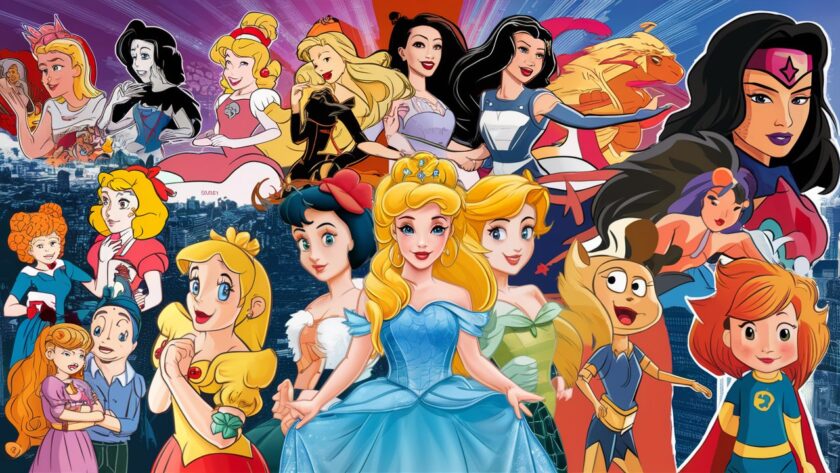
 The concept of the cartoon girl has evolved dramatically over the decades, reflecting changes in art, culture, and society. From early hand-drawn animations to modern digital masterpieces, cartoon girls have become powerful symbols of creativity, empowerment, and storytelling. These characters are not just figures of entertainment; they represent ideals, emotions, and identities that resonate with audiences of all ages. Whether appearing in classic cartoons, anime, or modern 3D animations, the cartoon girl continues to inspire artists, filmmakers, and fans around the world. This article explores the history, design, and influence of cartoon girls, highlighting their role in shaping animation and popular culture.
1. The History of the Cartoon Girl in Animation
The history of the cartoon girl dates back to the early 20th century when animation was still in its infancy. Characters like Betty Boop, created in the 1930s, became one of the first iconic cartoon girls, known for her charm, confidence, and distinctive style. As animation techniques advanced, female characters began to take on more diverse roles, moving beyond simple sidekicks or love interests. The rise of television in the mid-20th century introduced audiences to beloved cartoon girls such as Daphne Blake from Scooby-Doo and Velma Dinkley, who represented intelligence and curiosity. Over time, the portrayal of cartoon girls evolved to reflect changing social values, emphasizing independence, strength, and individuality.
2. The Art and Design of a Cartoon Girl Character
Designing a cartoon girl requires a balance between creativity, personality, and visual appeal. Artists often use exaggerated features such as large expressive eyes, vibrant colors, and unique hairstyles to make characters instantly recognizable. The design process involves understanding the character’s role, emotions, and story arc. For example, a cartoon girl in a children’s show might have soft, rounded shapes and bright colors to convey friendliness and innocence, while an action-oriented character might feature sharper lines and dynamic poses to express energy and determination. The art of creating a cartoon girl lies in capturing both her external beauty and internal depth, making her relatable and memorable to viewers.
3. Popular Cartoon Girl Characters Through the Years
Throughout animation history, several cartoon girls have become cultural icons. Characters like Minnie Mouse, created by Walt Disney, remain timeless symbols of joy and optimism. In the 1990s, shows such as The Powerpuff Girls introduced strong, fearless heroines who combined cuteness with courage. Anime also contributed significantly to the popularity of cartoon girls, with characters like Sailor Moon and Sakura Kinomoto inspiring generations of fans worldwide. Modern animation continues to celebrate diversity with characters like Elsa from Frozen and Mirabel from Encanto, who represent empowerment, resilience, and authenticity. Each of these cartoon girls has left a lasting mark on animation, influencing both storytelling and character design.
4. The Role of Cartoon Girls in Modern Media
In today’s media landscape, cartoon girls play a vital role in promoting representation and inclusivity. They are no longer confined to traditional stereotypes but are portrayed as leaders, inventors, warriors, and dreamers. Animated series and films now feature female protagonists who challenge societal norms and inspire self-confidence among young audiences. The rise of digital platforms and streaming services has also expanded opportunities for diverse storytelling, allowing creators from different cultures to introduce unique cartoon girl characters. This shift reflects a broader movement toward equality and empowerment, where animated girls serve as role models for creativity, intelligence, and emotional strength.
5. The Cultural Impact of the Cartoon Girl
The cultural impact of the cartoon girl extends far beyond the screen. These characters influence fashion, art, and even social movements. From cosplay communities to fan art, cartoon girls inspire millions of people to express themselves creatively. They also play a significant role in shaping perceptions of femininity and identity. For instance, characters like Kim Possible and Moana have encouraged young viewers to embrace courage and independence, while others like Dora the Explorer promote curiosity and learning. The cartoon girl has become a global symbol of empowerment, bridging generations and cultures through the universal language of animation.
6. Creating a Cartoon Girl: Tips for Artists and Animators
For artists and animators, creating a cartoon girl involves more than just drawing a character—it’s about telling a story through design. The first step is to define her personality, background, and motivations. A well-developed character feels authentic and emotionally engaging. Next, the visual design should reflect her traits; for example, bold colors might represent confidence, while softer tones could suggest kindness or sensitivity. Animators must also consider movement and expression, as these bring the character to life. Whether designing for a comic, video game, or animated series, the goal is to create a cartoon girl who connects with audiences on both an emotional and visual level.
7. The Future of Cartoon Girls in Animation
The future of cartoon girls looks brighter than ever as technology and storytelling continue to evolve. Advances in 3D animation, artificial intelligence, and virtual reality are opening new possibilities for character creation and interaction. Future cartoon girls will likely be more diverse, inclusive, and multidimensional, reflecting the complexities of real-world experiences. As audiences demand more authentic and empowering stories, animators are responding with characters who embody strength, compassion, and creativity. The cartoon girl will continue to be a central figure in animation, inspiring future generations to dream, imagine, and create without limits.
Conclusion
The cartoon girl has come a long way from her early beginnings in black-and-white animation to becoming a global symbol of creativity and empowerment. She represents more than just a character—she embodies the evolution of art, culture, and storytelling. Through her, audiences see reflections of courage, kindness, intelligence, and individuality. As animation continues to grow and diversify, the cartoon girl will remain an essential part of its legacy, inspiring both creators and viewers to celebrate imagination and authenticity.
Frequently Asked Questions (FAQ)
1. What is a cartoon girl?
A cartoon girl is a female character created in animated or illustrated form, often used in cartoons, comics, or digital media to entertain, inspire, or convey stories.
2. Who are some famous cartoon girl characters?
Famous cartoon girls include Minnie Mouse, Betty Boop, Sailor Moon, Kim Possible, Dora the Explorer, and Elsa from Frozen.
3. How are cartoon girls designed?
Cartoon girls are designed using expressive features, unique color palettes, and distinctive styles that reflect their personalities and roles in the story.
4. Why are cartoon girls important in animation?
Cartoon girls play a crucial role in promoting diversity, empowerment, and creativity in animation, serving as role models and symbols of strength and individuality.
5. How has the portrayal of cartoon girls changed over time?
Early cartoon girls were often portrayed as side characters or love interests, but modern portrayals emphasize independence, intelligence, and leadership.
6. What makes a cartoon girl character memorable?
A memorable cartoon girl combines strong personality traits, emotional depth, and a visually appealing design that resonates with audiences.
7. What is the future of cartoon girls in animation?
The future of cartoon girls will focus on inclusivity, innovation, and storytelling that reflects real-world diversity and emotional authenticity.