 queknow.uk@gmail.com
 Acoustic wall panels have become an essential element in modern interior design, offering both functional and aesthetic benefits. Whether in offices, recording studios, restaurants, or homes, these panels help control sound reflections, reduce noise, and enhance the overall acoustic quality of a space. Beyond their technical purpose, acoustic wall panels also contribute to the visual appeal of interiors, coming in various materials, colors, and designs that complement any décor. This comprehensive guide explores everything about from their types and benefits to installation tips and maintenance—helping create spaces that sound as good as they look.
What Are Acoustic Wall Panels?
Acoustic wall panels are specially designed materials that absorb sound waves, preventing them from bouncing off hard surfaces like walls, ceilings, and floors. They are typically made from foam, fabric, wood, or polyester fiber, and are engineered to reduce echo and reverberation. By controlling sound reflections, acoustic panels improve speech clarity and create a more comfortable auditory environment. These panels are widely used in commercial spaces such as offices, conference rooms, and auditoriums, as well as in residential settings like home theaters and music rooms.
Benefits of Acoustic Wall Panels
The primary benefit of is their ability to enhance sound quality by minimizing unwanted noise. In open-plan offices, they help reduce distractions and improve concentration. In restaurants, they create a more pleasant dining experience by lowering background noise. For recording studios and home theaters, acoustic panels ensure accurate sound reproduction by eliminating echoes. Additionally, these panels contribute to energy efficiency by adding an extra layer of insulation, helping maintain room temperature. Their aesthetic versatility also allows designers to use them as decorative elements, blending functionality with style.
Types of Acoustic Wall Panels
There are several types of each designed for specific applications and acoustic needs.
1. Fabric-Wrapped Panels
Fabric-wrapped acoustic panels are among the most popular options due to their elegant appearance and high sound absorption capacity. They consist of a sound-absorbing core wrapped in decorative fabric, available in various colors and textures. These panels are ideal for offices, theaters, and conference rooms where both performance and aesthetics matter.
2. Foam Acoustic Panels
Foam panels are lightweight, cost-effective, and easy to install. They are commonly used in recording studios and home theaters to control mid and high-frequency sounds. Their pyramid or wedge shapes increase surface area, enhancing sound absorption.
3. Wooden Acoustic Panels
Wooden acoustic panels combine natural beauty with acoustic performance. They feature perforated or slotted designs that allow sound waves to pass through and be absorbed by the material behind them. These panels are perfect for auditoriums, hotels, and luxury interiors where design and acoustics must coexist harmoniously.
4. Polyester Fiber Panels
Made from recycled materials, polyester fiber panels are eco-friendly and durable. They are lightweight, easy to cut, and available in various colors, making them suitable for schools, offices, and public spaces. Their sustainability and versatility make them a popular choice for modern green buildings.

How Acoustic Wall Panels Work
Acoustic wall panels work by converting sound energy into heat through friction within their porous materials. When sound waves hit a hard surface, they reflect and create echoes. Acoustic panels absorb these waves, reducing reverberation and improving sound clarity. The effectiveness of a panel depends on its thickness, density, and placement. Proper installation ensures maximum sound absorption, especially when panels are strategically positioned at reflection points such as walls opposite speakers or near noisy equipment.
Installation Tips for Acoustic Wall Panels
Installing requires careful planning to achieve optimal results. Begin by identifying the main sources of noise and reflection points in the room. Panels should be placed on walls where sound waves are most likely to bounce. For large spaces, combining wall panels with ceiling baffles or acoustic clouds can enhance performance. Use strong adhesives or mounting clips to secure panels firmly. In professional settings, consulting an acoustic expert ensures precise placement and maximum efficiency.
Design and Aesthetic Considerations
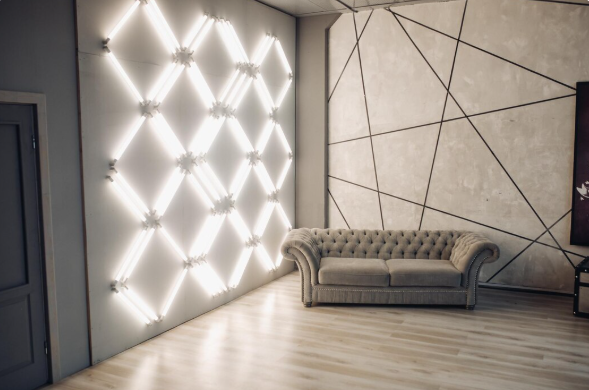
Modern are not just functional—they are also design elements that enhance interior aesthetics. Available in various shapes, colors, and finishes, they can be customized to match any décor style. Some panels feature geometric patterns or 3D textures that add visual interest to walls. Designers often use acoustic panels as focal points, integrating them into the overall design scheme. Whether aiming for a minimalist, industrial, or luxurious look, acoustic panels can be tailored to complement the space while maintaining superior sound control.
Maintenance and Longevity
Require minimal maintenance to retain their performance and appearance. Regular dusting or vacuuming keeps them clean, while fabric panels may occasionally need gentle spot cleaning. Avoid using harsh chemicals that could damage the material. With proper care, high-quality acoustic panels can last for many years without losing their acoustic properties. Investing in durable materials ensures long-term performance and cost efficiency.
Choosing the Right Acoustic Wall Panels
Selecting the right acoustic wall panels depends on the specific needs of the space. Consider factors such as room size, noise level, design preferences, and budget. For professional environments, panels with high Noise Reduction Coefficient (NRC) ratings are recommended. In residential spaces, aesthetic appeal and ease of installation may take priority. Consulting with an acoustic specialist can help determine the best combination of materials and placement for optimal results.
Conclusion
Acoustic wall panels are a perfect blend of science and design, offering effective sound control while enhancing the visual appeal of interiors. From reducing noise in busy offices to creating immersive sound experiences in home theaters, these panels play a vital role in shaping comfortable and functional spaces. With a wide range of materials, styles, and customization options available, provide a versatile solution for any environment seeking improved acoustics and aesthetics.
Frequently Asked Questions
1. What is the main purpose of acoustic wall panels?
Acoustic wall panels are designed to absorb sound waves, reduce echo, and improve sound clarity in a room.
2. Can acoustic wall panels completely soundproof a room?
While they significantly reduce noise and echo, acoustic panels do not completely block sound. For full soundproofing, additional materials like mass-loaded vinyl or insulation are required.
3. Are acoustic wall panels easy to install?
Yes, most panels are easy to install using adhesives, clips, or mounting brackets. Professional installation may be recommended for large or complex spaces.
4. How many acoustic panels are needed for a room?
The number of panels depends on the room size, surface materials, and desired level of sound absorption. Acoustic consultants can provide precise calculations.
5. Do acoustic wall panels come in different designs?
Yes, they are available in various colors, shapes, and finishes, allowing them to serve both functional and decorative purposes.
6. How long do acoustic wall panels last?
High-quality panels can last for many years with proper maintenance, retaining their acoustic performance and aesthetic appeal.
7. Are acoustic wall panels environmentally friendly?
Many modern panels are made from recycled or sustainable materials, making them an eco-friendly choice for green building projects.