 queknow.uk@gmail.com
 In the world of gastronomy, few dishes capture the imagination and palate quite like calamariere. Known for its delicate texture, rich flavor, and versatility, calamariere has become a symbol of culinary craftsmanship that bridges tradition and modern innovation. Whether served as a classic Mediterranean delicacy or reimagined in contemporary cuisine, calamariere continues to captivate food lovers around the world. This article explores the origins, preparation techniques, cultural significance, and modern adaptations of calamariere, offering a comprehensive look at why this dish remains a timeless favorite among chefs and diners alike.
The Origins of Calamariere
The story of calamariere begins in the heart of the Mediterranean, where seafood has long been a cornerstone of local diets and cultural identity. Derived from the Italian word calamaro, meaning squid, calamariere refers to a refined preparation of squid that emphasizes both flavor and presentation. Historically, fishermen along the coasts of Italy, Greece, and Spain would prepare calamari fresh from the sea, often grilling or frying it with olive oil, garlic, and herbs. Over time, this humble dish evolved into a culinary art form, celebrated in fine dining establishments and home kitchens alike. The essence of calamariere lies in its simplicity—fresh ingredients, precise technique, and respect for the natural flavors of the sea.
The Culinary Art of Preparing Calamariere
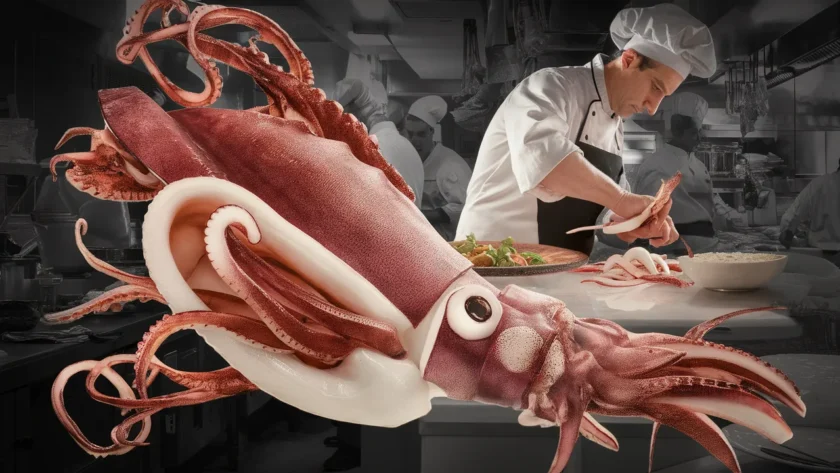
Preparing calamariere is both a science and an art. The process begins with selecting the freshest squid, as quality seafood is the foundation of any great calamari dish.The key to perfect calamariere lies in timing overcooking can make the squid tough, while precise cooking results in a soft, melt-in-the-mouth texture. Chefs often pair calamariere with ingredients such as lemon, parsley, chili, and olive oil to enhance its natural sweetness and briny undertones. The result is a dish that is both elegant and satisfying, appealing to both traditionalists and modern food enthusiasts.
Calamariere in Mediterranean Culture
In Mediterranean culture, calamariere is more than just a dish it is a celebration of the sea and a reflection of regional identity. In Italy, calamariere is often served during festive occasions and family gatherings, symbolizing abundance and togetherness. In Greece, it is a staple of coastal tavernas, enjoyed with a glass of ouzo or white wine. Spanish cuisine incorporates calamariere into tapas, combining it with bold flavors like paprika and garlic. Across the Mediterranean, calamariere represents a shared culinary heritage that connects people through the love of fresh, flavorful seafood. Its enduring popularity is a testament to the region’s deep respect for nature, tradition, and the art of cooking.
Modern Interpretations of Calamariere
While rooted in tradition, has also found its place in modern gastronomy. Contemporary chefs have reimagined the dish using innovative techniques and global influences. In fine dining, may be served as a deconstructed plate, featuring squid ink sauces, foam reductions, or molecular gastronomy elements. In fusion cuisine, it is paired with Asian flavors such as soy, ginger, and sesame, creating a unique blend of East and West. Vegan and sustainable versions of have also emerged, using plant-based ingredients to replicate the texture and flavor of squid. These modern interpretations not only showcase the versatility of calamariere but also highlight its ability to adapt to changing culinary trends while maintaining its essence.
The Nutritional Value of Calamariere
Beyond its exquisite taste, offers significant nutritional benefits. Squid is a rich source of protein, essential amino acids, and minerals such as zinc, copper, and selenium. It is also low in fat and calories, making it a healthy choice for those seeking a balanced diet. The inclusion of olive oil, herbs, and lemon in traditional recipes further enhances its nutritional profile, providing antioxidants and healthy fats. When prepared with care, calamariere is not only a culinary delight but also a wholesome meal that supports heart health, muscle development, and overall well-being.
The Global Popularity of Calamariere
Today, calamariere has transcended its Mediterranean origins to become a global favorite.Food festivals, cooking shows, and social media platforms have further amplified its popularity, inspiring home cooks and professional chefs alike to experiment with new variations. The global love for reflects a growing appreciation for authentic, high-quality seafood prepared with artistry and passion.
The Future of Calamariere in Culinary Innovation
As the culinary world continues to evolve, remains at the forefront of innovation. With the rise of sustainable fishing practices and eco-friendly cooking methods, chefs are finding new ways to honor the tradition of calamariere while protecting marine ecosystems. Advances in food technology, such as 3D food printing and precision cooking, are also opening new possibilities for presentation and flavor enhancement. The future of lies in its ability to balance tradition with innovation, offering a dining experience that is both timeless and forward-thinking.
Conclusion
Calamariere is more than just a dish it is a culinary journey that embodies the spirit of the Mediterranean and the creativity of modern cuisine. Its rich history, exquisite flavor, and adaptability make it a true masterpiece of seafood artistry. From traditional coastal recipes to avant-garde interpretations, calamariere continues to inspire chefs and delight diners around the world. As the demand for authentic and sustainable cuisine grows, calamariere stands as a shining example of how food can connect cultures, celebrate nature, and evolve with time.
FAQs
1. What is calamariere?
Calamariere is a refined seafood dish made from squid, traditionally prepared in Mediterranean cuisine and celebrated for its tender texture and rich flavor.
2. Where did calamariere originate?
Calamariere originated in the Mediterranean region, particularly in Italy, Greece, and Spain, where seafood plays a central role in local culinary traditions.
3. How is calamariere typically prepared?
Calamariere can be grilled, fried, stuffed, or stewed, often seasoned with olive oil, garlic, lemon, and herbs to enhance its natural flavor.
4. Is calamariere healthy?
Yes, calamariere is a nutritious dish rich in protein, vitamins, and minerals, while being low in fat and calories when prepared with healthy ingredients.
5. What makes calamariere different from regular calamari?
While calamari refers to squid in general, calamariere represents a more artistic and refined preparation that emphasizes presentation, flavor balance, and culinary craftsmanship.
6. Can calamariere be made with alternative ingredients?
Yes, modern chefs have created plant-based versions of calamariere using sustainable ingredients that mimic the texture and flavor of squid.
7. Why is calamariere popular worldwide?
Calamariere’s global popularity stems from its versatility, cultural heritage, and ability to adapt to different cuisines while maintaining its authentic Mediterranean essence.