 queknow.uk@gmail.com
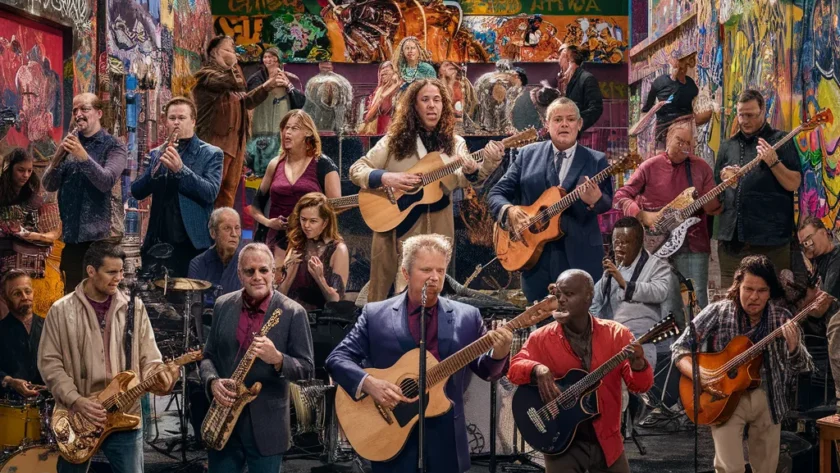
 The term Musicalifornia perfectly captures the spirit of California’s deep and diverse musical heritage. Known as the land of dreams, innovation, and creativity, California has long been a global hub for music, influencing genres from rock and jazz to hip-hop and electronic dance music. The phrase Musicalifornia symbolizes the fusion of music and California’s cultural identity a place where sound, art, and lifestyle intertwine. This article explores the meaning of Musicalifornia, its historical roots, its impact on global music, and why the Golden State continues to inspire artists and audiences around the world.
Understanding the Concept of Musicalifornia
Musicalifornia is more than just a catchy term—it represents the essence of California’s musical evolution. The state’s unique blend of cultures, landscapes, and lifestyles has given rise to countless musical movements that have shaped the global soundscape. From the surf rock of the 1960s to the hip-hop revolution of the 1990s and the indie renaissance of the 2000s, California has consistently been at the forefront of musical innovation.
The concept of Musicalifornia also reflects the state’s role as a creative melting pot. Artists from around the world flock to California to find inspiration in its beaches, mountains, and cities. Whether it’s the laid-back vibes of Los Angeles, the experimental energy of San Francisco, or the festival culture of Coachella Valley, California offers a musical experience unlike any other.
The Historical Roots of Musicalifornia
California’s musical history is as rich and diverse as its geography. In the early 20th century, the state became a magnet for jazz musicians migrating from New Orleans and Chicago. Los Angeles’ Central Avenue became a hotspot for jazz and blues, laying the foundation for the city’s future as a music capital.
The 1960s marked a defining era for Musicalifornia. The counterculture movement in San Francisco gave birth to psychedelic rock, with bands like Jefferson Airplane, The Grateful Dead, and Janis Joplin leading the charge. Meanwhile, Southern California became synonymous with surf rock, thanks to The Beach Boys, who captured the carefree essence of coastal life.
In the decades that followed, California continued to reinvent itself musically. The 1970s saw the rise of the Laurel Canyon sound, blending folk and rock through artists like Joni Mitchell, The Eagles, and Crosby, Stills & Nash. The 1980s brought the explosion of punk and metal scenes in Los Angeles, while the 1990s introduced the world to West Coast hip-hop, led by icons such as Dr. Dre, Tupac Shakur, and Snoop Dogg.
The Modern Era of Musicalifornia
Today, Musicalifornia thrives in a digital age where genres blend and boundaries blur. California remains a global epicenter for music production, performance, and innovation. Los Angeles, home to Hollywood and countless recording studios, continues to attract artists from every corner of the world. The city’s influence extends across pop, R&B, and electronic music, with stars like Billie Eilish, Kendrick Lamar, and Doja Cat representing the new generation of California sound.
Northern California, particularly the Bay Area, continues to foster creativity through its independent music scene. Known for its experimental spirit, the region has produced groundbreaking artists in hip-hop, alternative rock, and electronic music. Festivals like Outside Lands and BottleRock Napa Valley celebrate this diversity, bringing together artists and fans in a celebration of sound and culture.
The Role of Festivals in Defining Musicalifornia
Music festivals are a cornerstone of Musicalifornia, embodying the state’s love for art, community, and self-expression. Events like Coachella, Stagecoach, and Hard Summer have become cultural phenomena, attracting millions of attendees and setting global trends in music and fashion.
Coachella, in particular, has become synonymous with the Musicalifornia lifestyle. Held annually in the desert city of Indio, it showcases a mix of genres, from rock and pop to EDM and hip-hop. The festival’s influence extends beyond music, shaping global conversations about art, sustainability, and creativity.
These festivals not only celebrate established artists but also provide a platform for emerging talent. They reflect California’s inclusive and forward-thinking approach to music, where diversity and innovation are always at the forefront.
The Cultural Impact of Musicalifornia
The influence of Musicalifornia extends far beyond the state’s borders. California’s music has shaped global culture, inspiring artists, filmmakers, and fashion designers worldwide. The state’s emphasis on individuality and creativity has made it a symbol of artistic freedom.
From the rebellious energy of punk rock to the poetic storytelling of folk and the rhythmic beats of hip-hop, California’s music reflects the state’s social and cultural evolution. It has served as a soundtrack to movements for civil rights, environmental awareness, and personal empowerment. The Musicalifornia identity continues to evolve, embracing new technologies and global influences while staying true to its roots of innovation and authenticity.
The Future of Musicalifornia
As technology continues to transform the music industry, Musicalifornia remains at the cutting edge of change. The rise of streaming platforms, virtual concerts, and digital collaborations has opened new possibilities for artists and audiences alike. California’s creative communities are leading this transformation, blending traditional artistry with modern innovation.
The future of Musicalifornia lies in its ability to adapt and inspire. With its diverse population, rich cultural heritage, and commitment to creativity, California will continue to shape the global music landscape for generations to come. Whether through groundbreaking artists, immersive festivals, or new digital experiences, the spirit of Musicalifornia will endure as a symbol of artistic freedom and cultural connection.
Conclusion
Musicalifornia is more than a word it is a celebration of California’s enduring influence on music and culture. From the jazz clubs of Los Angeles to the festival fields of Indio, the Golden State has shaped the sound of generations. Its legacy is built on diversity, creativity, and the belief that music can unite people across boundaries. As the world continues to evolve, Musicalifornia stands as a reminder that the power of music lies not only in sound but in the stories, emotions, and communities it creates.
Frequently Asked Questions
1. What does “Musicalifornia” mean?
Musicalifornia refers to the fusion of music and California’s cultural identity, symbolizing the state’s influence on global music and creativity.
2. Why is California important in music history?
California has been home to major musical movements, including jazz, surf rock, psychedelic rock, punk, and hip-hop, shaping the global soundscape for decades.
3. Which cities define the Musicalifornia experience?
Los Angeles, San Francisco, and the Coachella Valley are key regions that represent the diversity and innovation of Musicalifornia.
4. What are some famous festivals associated with Musicalifornia?
Coachella, Stagecoach, Outside Lands, and BottleRock Napa Valley are among the most iconic festivals that embody the Musicalifornia spirit.
5. Who are some artists that represent Musicalifornia today?
Modern artists like Billie Eilish, Kendrick Lamar, Doja Cat, and Haim reflect the evolving sound and creativity of Musicalifornia.
6. How has technology influenced Musicalifornia?
Digital platforms, streaming services, and virtual performances have expanded California’s musical reach, allowing artists to connect with global audiences.
7. What is the future of Musicalifornia?
The future of Musicalifornia lies in its continued innovation, diversity, and ability to inspire new generations of artists and fans through creativity and collaboration.