 queknow.uk@gmail.com
 The world of gaming is often seen as a realm of excitement, creativity, and endless entertainment. However, behind the screens and controllers lies a reality that many outsiders fail to recognize—gamer struggles. From technical frustrations and toxic online environments to time management issues and mental fatigue, gamers face a unique set of challenges that can affect both their performance and well-being. Whether playing casually or competitively, every gamer encounters moments of frustration, burnout, and self-doubt. This article explores the most common gamer struggles, their underlying causes, and practical ways to overcome them while maintaining a healthy balance between gaming and real life.
The Reality of Gamer Struggles
The reality of gamer struggles extends far beyond losing a match or facing a tough level. Gaming, while enjoyable, can also be mentally and emotionally demanding. Many gamers experience pressure to perform well, especially in competitive environments where rankings and achievements define success. The constant pursuit of improvement can lead to stress, frustration, and even burnout. Additionally, the social aspect of gaming—though often positive—can sometimes expose players to toxicity, harassment, or exclusion. Understanding these struggles is essential for promoting a healthier gaming culture that values enjoyment and personal growth over perfection.
Common Gamer Struggles and Their Causes
The common gamer struggles faced by players today are diverse and often interconnected. One of the most frequent issues is lag and technical problems, which can ruin gameplay and cause immense frustration. Another major struggle is toxic behavior in online communities, where players encounter negativity, bullying, or unfair treatment. Time management is also a significant challenge, as gaming can easily consume hours meant for work, study, or rest. Furthermore, gaming addiction and mental fatigue are growing concerns, especially among younger players who struggle to balance virtual achievements with real-life responsibilities. Recognizing these challenges is the first step toward addressing them effectively.
The Struggle of Balancing Gaming and Real Life
One of the most difficult gamer struggles is maintaining a balance between gaming and real-life obligations. Many gamers find themselves losing track of time, staying up late, or neglecting important tasks to continue playing. While gaming provides an escape from stress, excessive play can lead to poor academic or work performance, sleep deprivation, and strained relationships. The key to overcoming this struggle lies in setting boundaries—allocating specific gaming hours, taking regular breaks, and prioritizing responsibilities. By managing time wisely, gamers can enjoy their passion without compromising their health or productivity.
The Emotional Side of Gamer Struggles
The emotional struggles of gamers are often overlooked but deeply impactful. Losing repeatedly, facing toxic teammates, or being criticized for poor performance can take a toll on self-esteem. Competitive gamers, in particular, may experience anxiety or frustration when they fail to meet expectations. Additionally, the pressure to keep up with trends, new releases, and skill levels can create feelings of inadequacy. To cope with these emotions, gamers should focus on progress rather than perfection, celebrate small victories, and remember that gaming is meant to be fun, not a source of stress. Emotional resilience is key to maintaining a positive gaming experience.
Toxicity and Online Harassment in Gaming
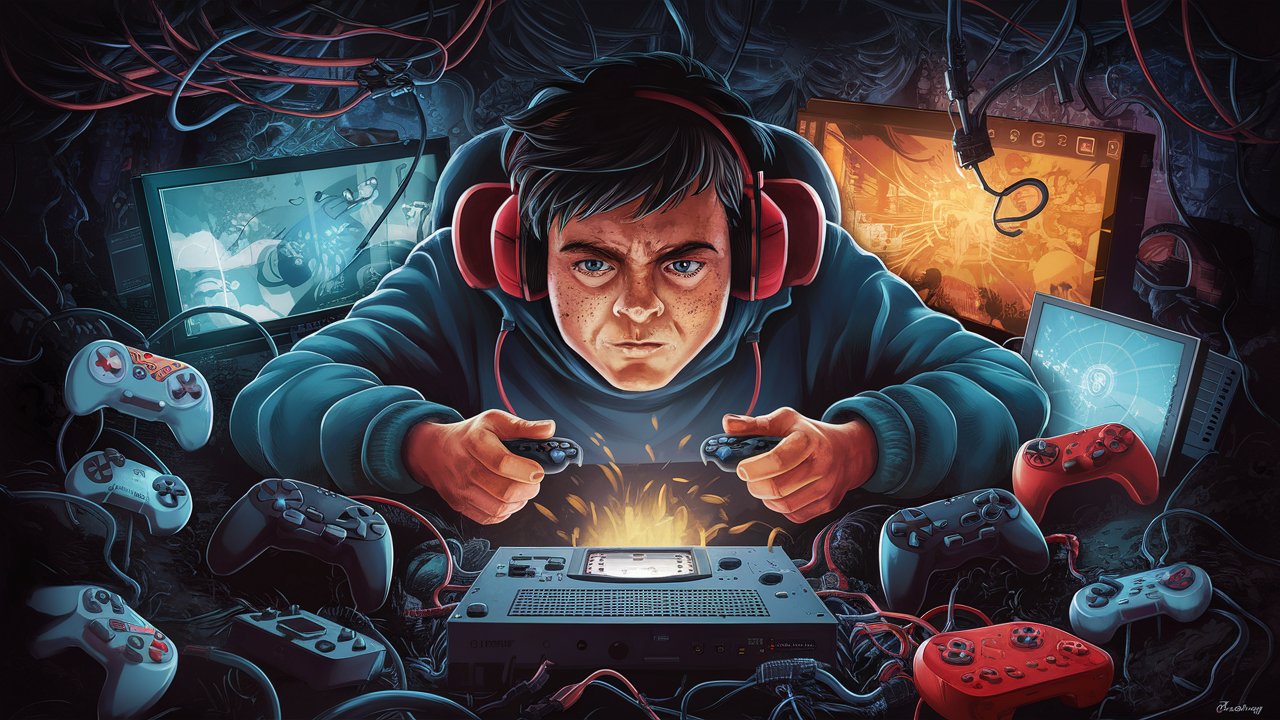
One of the most widespread gamer struggles is dealing with toxicity and harassment in online gaming communities. Many players encounter rude comments, discrimination, or verbal abuse during multiplayer sessions. This toxic behavior can discourage participation and negatively affect mental health. Developers and platforms have made efforts to combat this issue through reporting systems and moderation tools, but the problem persists. Gamers can protect themselves by muting toxic players, avoiding confrontations, and joining supportive communities that promote respect and inclusivity. A positive gaming environment benefits everyone and enhances the overall experience.
The Struggle of Gaming Hardware and Performance Issues
Technical difficulties are another major gamer struggle that can ruin even the most enjoyable sessions. Lag, low frame rates, overheating, or outdated hardware can make gaming frustrating and unenjoyable. Many gamers invest heavily in equipment to improve performance, but not everyone can afford high-end setups. To overcome these challenges, players can optimize their systems by updating drivers, adjusting settings, and maintaining their devices properly. Understanding the technical side of gaming helps reduce frustration and ensures smoother gameplay, allowing gamers to focus on what truly matters—the experience itself.
The Mental Health Impact of Gamer Struggles
The mental health struggles of gamers are becoming increasingly recognized as gaming continues to grow in popularity. Extended gaming sessions, competitive pressure, and social isolation can contribute to anxiety, depression, and burnout. While gaming can be therapeutic and stress-relieving, excessive play without balance can have the opposite effect. It’s important for gamers to take breaks, engage in physical activity, and maintain social connections outside of gaming. Mental health awareness within the gaming community is essential for creating a supportive environment where players can thrive both online and offline.
Overcoming Gamer Struggles and Building a Healthy Gaming Lifestyle
Overcoming gamer struggles requires self-awareness, discipline, and a balanced approach. Setting realistic goals, managing time effectively, and maintaining a positive mindset are crucial steps. Gamers should also remember that it’s okay to take breaks and step away from the screen when needed. Building a supportive network of friends who share similar values can make gaming more enjoyable and less stressful. Additionally, focusing on the joy of playing rather than external validation helps maintain a healthy relationship with gaming. By addressing struggles proactively, gamers can turn challenges into opportunities for growth and self-improvement.
Conclusion
The world of gaming is filled with excitement, creativity, and connection, but it also comes with its share of challenges. Gamer struggles—whether emotional, technical, or social—are part of the journey that every player experiences. By acknowledging these struggles and learning how to manage them, gamers can create a more balanced and fulfilling gaming lifestyle. The key lies in moderation, self-care, and community support. Gaming should always be a source of joy, not stress, and by fostering a positive mindset, players can continue to enjoy their passion while maintaining harmony in their personal lives.
Frequently Asked Questions (FAQ)
1. What are the most common gamer struggles?
Common gamer struggles include time management issues, toxic online behavior, technical problems, emotional stress, and balancing gaming with real-life responsibilities.
2. How can gamers deal with toxicity in online games?
Gamers can mute or block toxic players, report abusive behavior, and join positive communities that promote respect and inclusivity.
3. Can gaming affect mental health?
Yes, excessive gaming can lead to stress, anxiety, and burnout. However, when balanced properly, gaming can also improve mood and cognitive skills.
4. How can gamers balance gaming and real life?
Setting time limits, prioritizing responsibilities, and taking regular breaks can help maintain a healthy balance between gaming and daily life.
5. What can help reduce frustration during gaming?
Focusing on enjoyment rather than perfection, practicing patience, and maintaining a positive attitude can help reduce frustration and enhance the gaming experience.