 queknow.uk@gmail.com
 Fantasy football has evolved into a data-driven competition where every decision can make or break a season. Among the most critical aspects of managing a successful fantasy team is mastering the art of trading. This is where a fantasy football trade analyzer becomes an essential tool. A trade analyzer helps evaluate player values, compare trade offers, and ensure that every move benefits the team both in the short and long term. Whether managing a dynasty league, a redraft league, or a keeper format, understanding how to use a fantasy football trade analyzer effectively can transform an average team into a championship contender.
1. What Is a Fantasy Football Trade Analyzer?
A fantasy football trade analyzer is an online tool designed to assess the fairness and potential impact of trades between teams. It uses player statistics, projections, positional value, and league settings to calculate trade values. By inputting the players involved in a trade, the analyzer provides an objective evaluation of whether the trade benefits one side more than the other. This tool eliminates guesswork and emotional bias, allowing managers to make data-backed decisions. Many trade analyzers also update player values in real time based on injuries, performance trends, and matchup strength, ensuring that the analysis reflects the most current information available.
2. How a Fantasy Football Trade Analyzer Works
A fantasy football trade analyzer operates by combining advanced algorithms with player performance data. It assigns a numerical value to each player based on factors such as recent performance, projected points, positional scarcity, and team context. When a trade is entered, the analyzer compares the total value of players on both sides to determine which team gains more. Some analyzers also include features like rest-of-season projections, playoff schedules, and injury risk assessments. This comprehensive approach allows fantasy managers to evaluate not just the immediate impact of a trade but also its long-term implications.
3. Benefits of Using a Fantasy Football Trade Analyzer
Using a fantasy football trade analyzer offers several advantages that can significantly improve team management. First, it provides an unbiased perspective, helping managers avoid emotional decisions based on personal preferences or recent performances. Second, it saves time by quickly calculating trade values that would otherwise require hours of research. Third, it helps identify undervalued players who could become breakout stars later in the season. Finally, it promotes fair play within leagues by ensuring that trades are balanced and competitive. In essence, a trade analyzer acts as a virtual assistant that guides managers toward smarter, more strategic decisions.
4. Key Features to Look for in a Fantasy Football Trade Analyzer
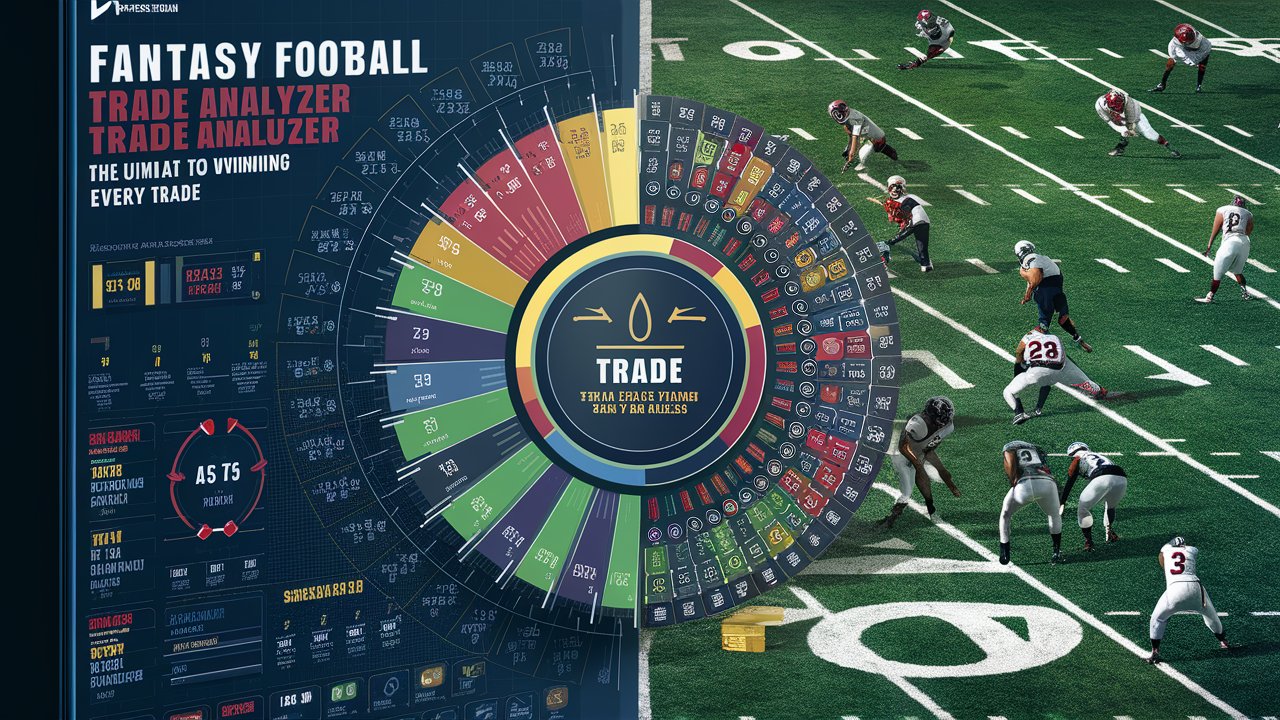
Not all trade analyzers are created equal, and choosing the right one can make a big difference. The best tools include features such as customizable league settings, real-time player updates, and integration with major fantasy platforms. Customization is crucial because scoring systems and roster formats vary widely between leagues. A good analyzer should also account for factors like player consistency, bye weeks, and positional depth. Some advanced analyzers even include artificial intelligence that learns from user behavior and league trends to provide more accurate recommendations.
5. How to Use a Fantasy Football Trade Analyzer Effectively
To get the most out of a fantasy football trade analyzer, managers should start by entering accurate league settings, including scoring format, roster size, and positional requirements. Next, input the players involved in the trade and review the analyzer’s results carefully. It’s important to consider not only the numerical trade value but also contextual factors such as upcoming matchups, injury history, and team needs. For example, trading a star wide receiver for a running back might make sense if the team lacks depth at that position. The analyzer provides the data, but strategic interpretation remains key to making the best decision.
6. Common Mistakes to Avoid When Using a Fantasy Football Trade Analyzer
While a is a powerful tool, it’s not infallible. One common mistake is relying solely on the analyzer’s numerical output without considering real-world context. Player values can fluctuate rapidly due to injuries, coaching changes, or weather conditions. Another mistake is ignoring league-specific dynamics, such as how other managers value certain players. Additionally, some managers misuse trade analyzers by trying to exploit them for unfair trades, which can damage league integrity. The best approach is to use the analyzer as a guide rather than an absolute authority, combining its insights with personal research and intuition.
7. Top Fantasy Football Trade Analyzer Tools in 2025
Several platforms offer reliable fantasy football trade analyzer tools that cater to different types of leagues. Popular options include FantasyPros Trade Analyzer, ESPN Fantasy Trade Evaluator, and Sleeper’s built-in trade analysis feature. FantasyPros is known for its accuracy and integration with expert consensus rankings, while ESPN’s tool is ideal for users already managing teams on its platform. Sleeper’s analyzer stands out for its user-friendly interface and real-time updates. Each of these tools provides valuable insights, but the best choice depends on the league format and personal preferences.
8. Advanced Strategies for Fantasy Football Trades
Beyond using a fantasy football trade analyzer, successful managers employ advanced strategies to maximize trade value. Timing is crucial—selling high on players after breakout performances or buying low on underperforming stars can yield significant returns. Understanding positional scarcity also helps identify where value can be gained. For example, elite running backs are often harder to replace than wide receivers, making them more valuable in most formats. Additionally, targeting players with favorable playoff schedules can provide a competitive edge during the most critical weeks of the season. Combining these strategies with trade analyzer insights creates a powerful formula for success.
9. The Role of Data and Analytics in Fantasy Football Trades
Modern fantasy football is driven by data, and the is a prime example of how analytics enhance decision-making. Advanced metrics such as target share, yards after contact, and red-zone usage provide deeper insights into player performance. Trade analyzers incorporate these metrics to generate more accurate valuations. As machine learning and predictive modeling continue to evolve, future trade analyzers will become even more precise, offering real-time trade simulations and predictive outcomes based on historical data. This data-driven approach ensures that managers stay ahead of the competition.
10. The Future of Fantasy Football Trade Analyzers
The future of the fantasy football trade analyzer lies in artificial intelligence and real-time integration. As fantasy platforms become more sophisticated, trade analyzers will likely include predictive analytics that forecast player performance weeks in advance. Integration with wearable technology and live game data could further refine player valuations. Additionally, community-driven trade databases will allow managers to compare their trades with thousands of others, providing a broader perspective on market trends. The evolution of trade analyzers will continue to empower fantasy managers with tools that make trading smarter, faster, and more strategic than ever before.
Conclusion
A fantasy football trade analyzer is more than just a tool—it’s a strategic advantage that can transform the way trades are evaluated and executed. By combining statistical analysis, real-time data, and customizable settings, trade analyzers help managers make informed decisions that strengthen their teams. However, the key to success lies in using these tools wisely, balancing data with intuition and understanding the unique dynamics of each league. In a game where every trade can shift the balance of power, mastering the use of a fantasy football trade analyzer is essential for anyone aiming to dominate their league and claim the championship title.